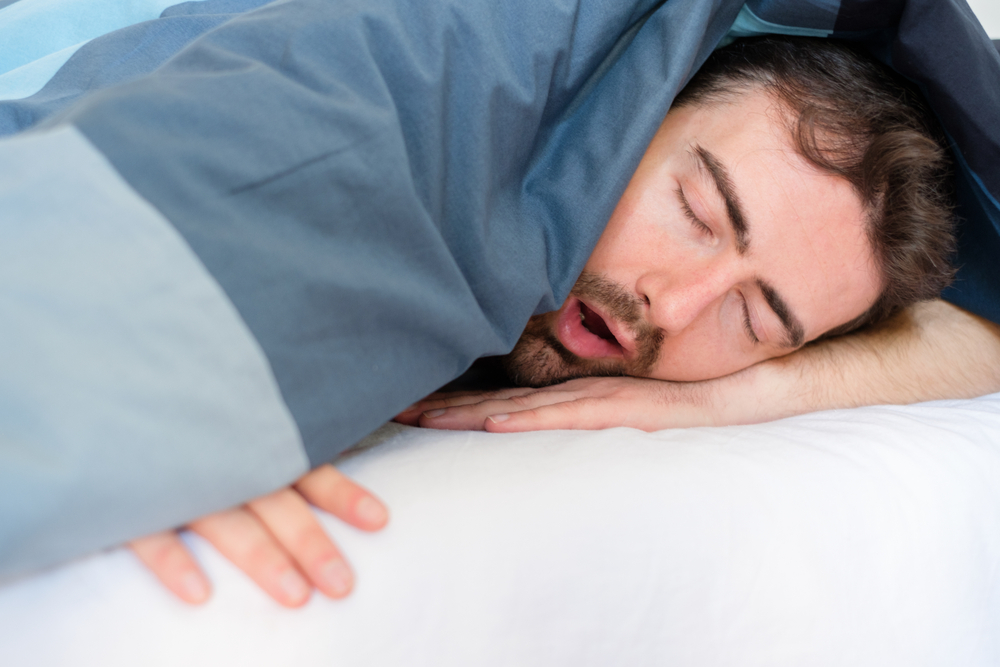
Obstructive Sleep Apnea (OSA) is a medical condition that affects your quality of sleep due to an obstruction to your airways while you are sleeping. It can negatively impact your health, energy, and life overall. It is often difficult to attribute OSA to your orthodontic treatment because it is believed that the position of your teeth and jaw can restrict airflow, therefore restricting your ability to have good quality sleep.
As modern society has become more aware of the relationship between orthodontic treatment and OSA, it is clear that orthodontic treatment will be an integral part of providing dental care with a focus on airways. Orthodontic treatment can position the teeth, jaw, and airway into the proper positions to allow for better breathing patterns and therefore a longer period of time to experience restful, quality sleep.
Sleep Apnea refers to the inability of someone to breathe properly while they sleep, which results in frequent stopping and starting of breathing while sleeping. OSA is diagnosed when the airway becomes partially to fully obstructed and most of the occurrences happen during the night.
Some of the signs of OSA include the following:
- Loud Snoring
- Breathing stops and starts in a rhythmic pattern
- If you feel very tired first thing in the morning
- Headaches
- Difficulty concentrating
- Moodiness and/or frustration
- Difficulty staying asleep
Failure to seek treatment can increase your risk for cardiovascular related illnesses such as Heart Attack, Stroke, or High Blood Pressure; therefore, seeking treatment is essential for your health.
There is a believed link between chronic sleep apnoea and how a person’s jaw and mouth are structured. A narrow upper jaw, crowded teeth, or an improper bite relationship will all reduce airflow, resulting in an inability to breathe well while sleeping (in other words, compromised).
Orthodontics and Sleep Apnea
Orthodontics have become a primary area of focus for treatment of obstructive sleep apnoea (OSA) due to the relationship they share with OSA. Orthodontic professionals will help improve oral structure and alignment of the jaw, both of which contribute to good airflow while sleeping.
Jaws that are misaligned help create blockages of the airway; if your jaw is narrow, then it will contribute to a misalignment of the airway (i.e., your tongue and/or any other soft tissues around your tongue, may cover the airway at night).
There are many orthodontic issues contributing to OSA, such as:
- Narrow dental arches
- Deep overbite or underbite
- Crowding of teeth
- Retreating lower jaw
- Improper position of the tongue
An orthodontist can correct the above issues through orthodontic treatment (creating more airway space) to improve your ability to breathe while you sleep.
Orthodontists and sleep specialists, can identify potential orthodontic and sleep apnea issues by examining a person’s oral and facial characteristics.
Common Symptoms
- Mouthbreathing
- Coughing/Snoring
- Teeth Grinding
- Teeth Crowding
- Difficulty Sleeping
- Poor Sleep Quality in Children
- Daytime Fatigue
Children with airway-related issues may experience difficulty concentrating at school, display behavioral problems, and/or have disrupted sleep patterns.
An orthodontist who specializes in treating patients suffering from obstructive sleep apnea (OSA) will evaluate a patient based upon these signs/symptoms to ascertain if orthodontic interventions may be beneficial for their airway function.
When providing orthodontic therapy to treat OSA, the orthodontist will use the following end goals:
- To increase the size and to shape the jaws to create enough space in the airway and to eliminate obstructions in the airway while sleeping.
Palatal Expansion Systems
Most children and adolescents will receive orthodontic palatal expanders to gradually increase the width of the maxillary jaw.
The following are four (4) benefits of palatal expansion:
- Greater airway volume
- Better nasal respiration
- Reduced mouth respiration
- Better jaw growth
A child can reduce the severity of OSA-related symptoms as they mature if orthodontic therapy is initiated because of referral from their dentist.
Braces and aligners can help maintain a calm state in the jaws which helps support improved airflow through the airway when sleeping.
Types of Benefits from Orthodontic Treatment
- Symmetrical and balanced jaws
- Create space where teeth are not positioned correctly
- Your tongue can help to enhance and maintain your health by being in proper position in your mouth.
- You can develop a functional bite
It may be best for you to use clear aligners if you are an adult and want a more discreet way to get the orthodontic treatment you need.
There are several orthodontists who will provide you with custom appliances that help to keep your jaw in the correct position while sleeping, so as to allow you to breathe correctly, allowing for an open airway.
Custom oral appliances can help to treat patients who have a mild or moderate obstructive sleep apnea (OSA) and may be used as an alternative to CPAP therapy in a limited number of patients who use CPAP well. Many people who suffer from OSA have been treated successfully with custom oral appliances.
If you’re a patient with severe obstructive sleep apnea (OSA), you may wish to discuss different treatment options, including surgery or orthodontic orthognathic treatment, which are generally carried out together. Orthognathic surgery is performed with the goal of realigning the jaw and creating an open airway by addressing the structural chanages/issues, which cause blockages in your airway.
Orthodontic treatment and oral surgical care can work together; many orthodontists are trained in working cooperatively with oral surgeons to formulate a surgical treatment plan that will provide a more balanced and functional face for a patient seeking orthodontic care.
In addition to treating adults with OSA, orthodontists might also treat children with OSA through orthodontics. Kids can develop Sleep Apnea too.
Orthodontic treatment is crucial for children, not only to enhance the development of their jaws, but also to create a proper airway.
The following provide a list of symptoms that could indicate that your child suffers from a sleep-related breathing disorder:
- Snoring
- Mouth breathing
- Restlessness at night
- Bedwetting
- Difficulty maintaining focus during the day
- Daytime sleepiness
By having orthodontic assessments performed at an early age, it is possible to identify potential airway issues before they can develop into more serious disorders.
Adults suffering from sleep apnea typically do not realize that their jaw position can cause them to have disrupted sleep. By adjusting their facial structure through orthodontic treatment, it is possible to increase the size of the airway in those with sleep apnea, improving the patients’ overall quality of sleep.
What are some benefits of orthodontic treatment for adults who are suffering from Sleep Apnea?
- Improved breathing while you sleep
- Improved quality of sleep
- Reduction in snoring
- Increased energy during the day
- Improved oral health, function, and muscle balance
Orthodontic treatment can provide many benefits over a lifetime, including improving facial symmetry and self-esteem; orthodontics may also provide many significant long-term health benefits.
Why consult with an orthodontist regarding sleep apnea?
An orthodontist understands that teeth and jaws are related to the airway. Therefore, they can help develop a plan for your airway and oral health needs.
What are the long-term benefits of orthodontic treatment for sleep apnea?
- Increasing your sleep quality
- Better quality of breathing
- Increasing your energy level
- Decrease Blockages in your Airway
- Improving your Oral Health
- Improved Quality of Life
An orthodontist is usually a part of a team of sleep specialists or medical providers who are working together. They can work together to provide you with the best possible type of treatment that you might need.
Frequently Asked Questions
Does Orthodontics Help With Sleep Apnea?
Yes! Orthodontics can help improve the alignment of your jaw and can expand the size of your airway and by improving the size of your airway, may potentially fix any possible airway obstructions that may be affecting your sleeping capability.
What Different Treatment Are Available with Orthodontics for Sleep Apnea?
Depending on the individual patient’s needs, there are many different types of orthodontic treatments available that are most likely to help with sleep apnea.
Common types of orthodontic treatments available that may help with sleep apnea include:
- Palatal expanders
- Braces
- Clear aligners
- Other specific appliances that have been designed to help with taking an airway by keeping the airway open
Should I See an Orthodontist If I Am Experiencing Sleep Apnea Symptoms?
If you are experiencing symptoms of airway obstruction due to imbalances of your jaw alignment or from improper bite alignment, an orthodontic evaluation of your airway would be beneficial to make any needed orthodontic recommendations to assist with your possible sleep apnea condition.
Will My Braces Improve My Airflow While I Sleep?
When wearing braces, you will have a better bite alignment and jaw positioning; therefore, you will have improved airflow through your airway while you sleep, as well as having less obstruction of airflow through your airway while you sleep.
Is Orthodontics for Sleep Apnea Helpful for Adults?
Yes. Adults can benefit from orthodontics because orthodontic treatment will improve the amount of space utilized; enhance how the jaws function together while eating; and improve the quality of your sleep.
Should I Take My Children In To See An Orthodontist If They Have Sleep Apnea?
Of course! Provides the best opportunity to correct any jaw imbalances at an early age to allow optimal space to be created for proper jaw growth as it relates to the airway.
How Long Does It Take To Complete An Orthodontic Treatment For Sleep Apnea?
The length of the orthodontic treatment will be determined by the actual condition of the patient’s sleep apnea, and what type of orthodontic intervention that is recommended. Some patients could complete their treatment in several months, while there are other patients who will require much longer to achieve the necessary changes.
Is orthodontic treatment a good alternative to CPAP therapy?
Yes, in some cases, orthodontic treatment could help reduce the need for a CPAP therapy, but this varies on each patient’s needs; and your dentist and sleep specialist will work together to determine an appropriate treatment program for that individual patient, based on each patient’s individual needs.